The Valluru

The Series / Booklet Eleven

Booklet Eleven

When Happiness Refuses to Stay

Sukham, Ānanda, Māyā, and the Question of Jīvanmukti

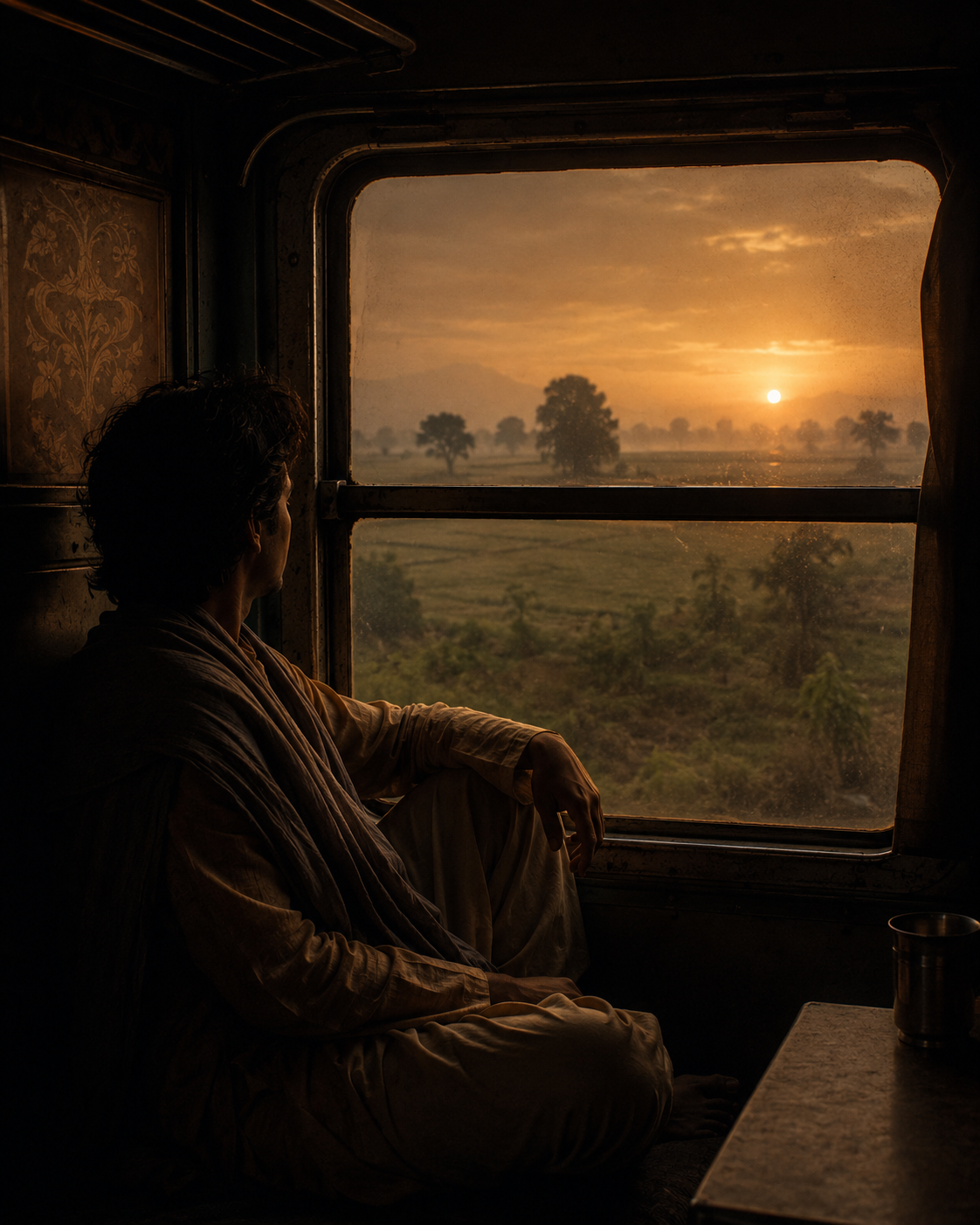
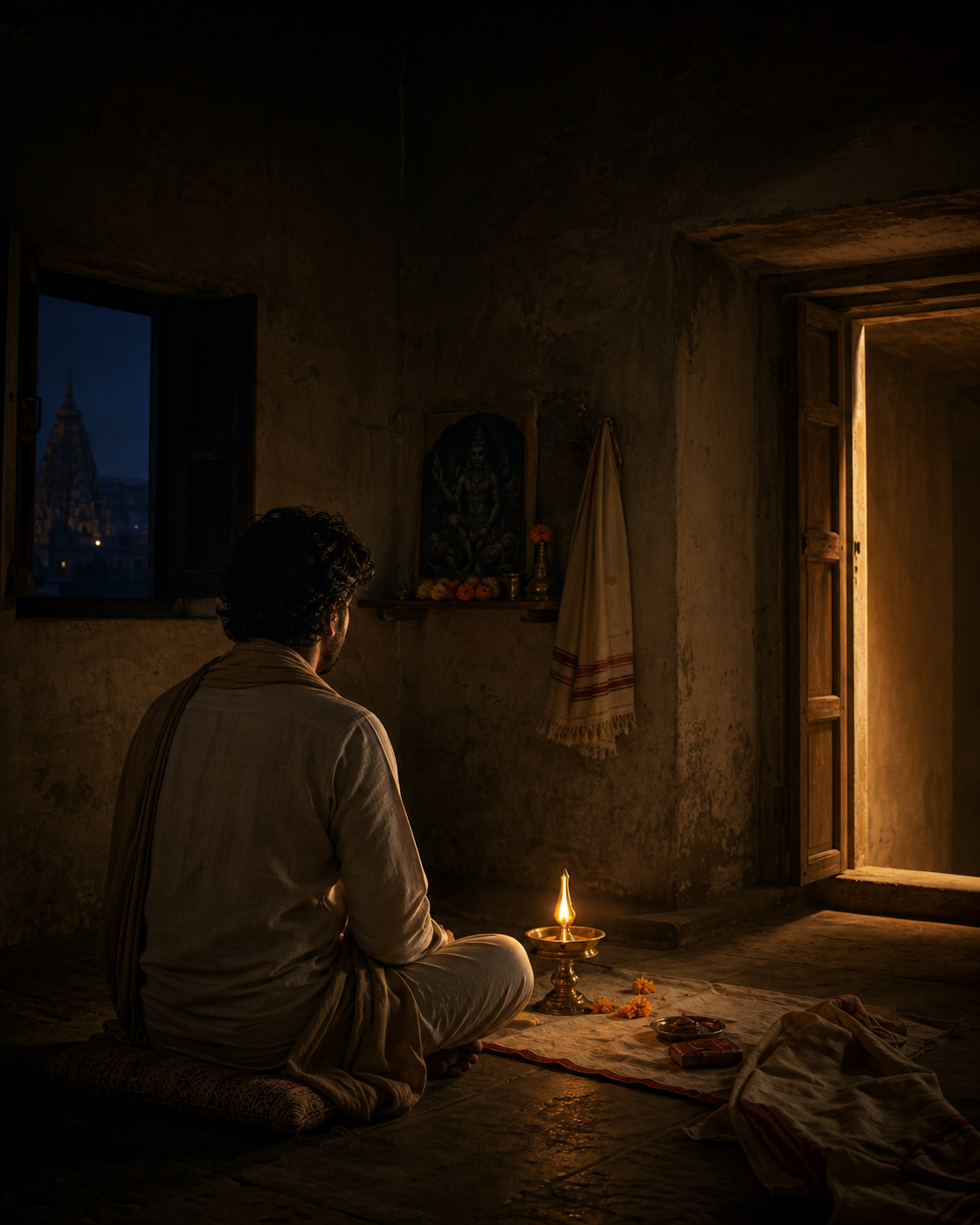
This booklet begins with a simple human frustration: happiness does not stay. Pleasure arrives, fades, returns weaker, demands more, and slowly becomes a treadmill. The body adapts. The mind gets bored. Desire changes costume. What looked like fulfillment becomes another loop of craving, memory, comparison, and loss. From there, the booklet turns toward the deeper distinction between sukham and ānanda. Happiness depends on condition. Ānanda is not another improved experience. It is the ground that remains when māyā is seen through. The question is not how to manufacture permanent pleasure, but whether the seeker can live in the world without being owned by the search for it. Pleasure moves. Happiness fades. The witness remains.

Subscriber Reading

Subscribe to read this booklet

Booklet One is free. The remaining booklets open after a quiet email subscription, so readers can receive updates and future reading notes.

Quiet updates only. Unsubscribe any time.

FAQ

Frequently Asked Questions

What is When Happiness Refuses to Stay about?

This booklet begins with a simple human frustration: happiness does not stay. Pleasure arrives, fades, returns weaker, demands more, and slowly becomes a treadmill. The body adapts. The mind gets bored. Desire changes costume. What looked like fulfillment becomes another loop of craving, memory, comparison, and loss. From there, the booklet turns toward the deeper distinction between sukham and ānanda. Happiness depends on condition. Ānanda is not another improved experience. It is the ground that remains when māyā is seen through. The question is not how to manufacture permanent pleasure, but whether the seeker can live in the world without being owned by the search for it. Pleasure moves. Happiness fades. The witness remains.

Who is this booklet for?

Sukham, Ānanda, Māyā, and the Question of Jīvanmukti

How should this booklet be read?

Read it slowly, as a reflective text rather than a rushed manual. Return to key passages, sit with the questions it raises, and let the language do inward work over time.

Reader Reflection

A small response field for readers.

Reader Comments

Loading comments...